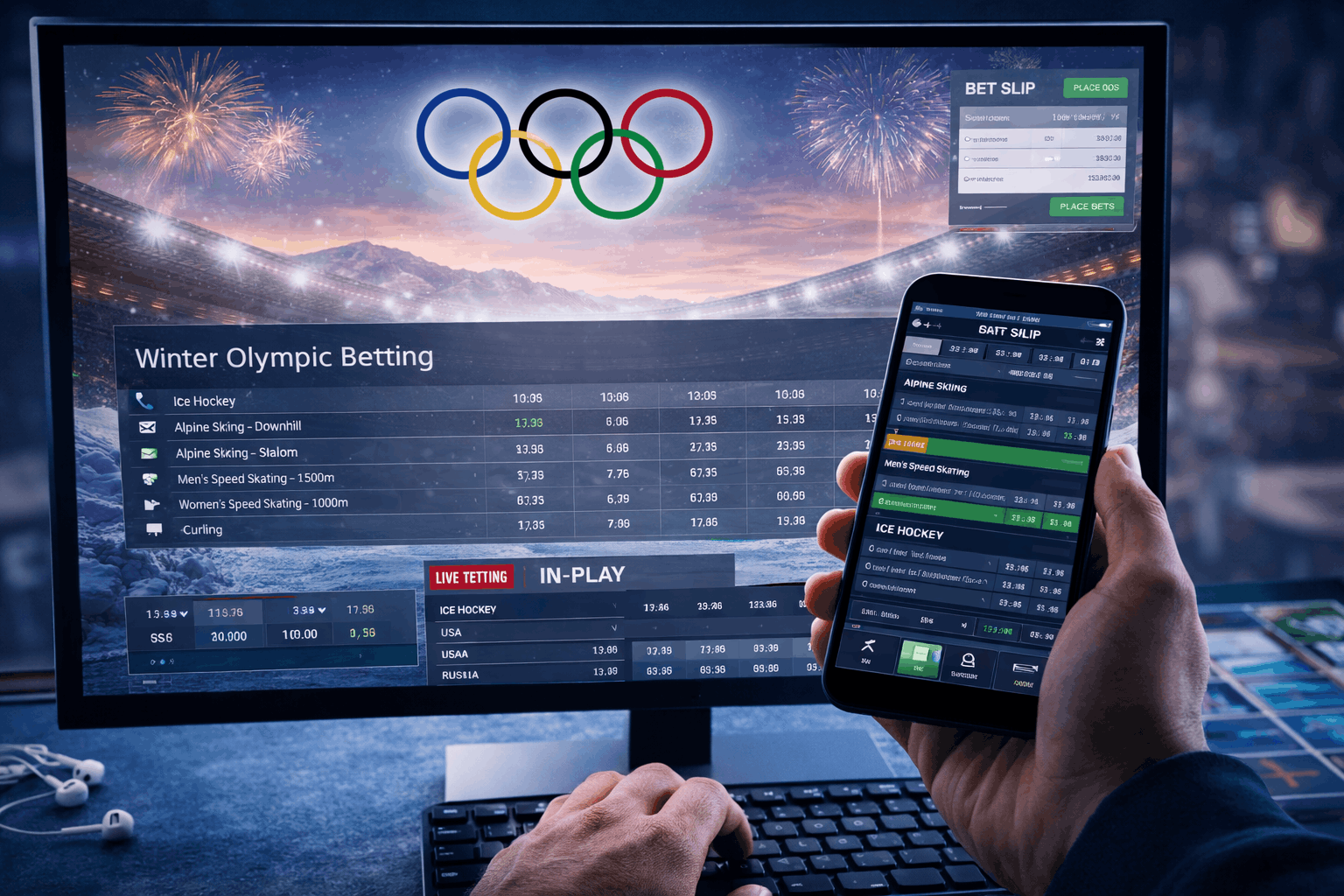
The Winter Olympics 2026, beginning on February 6, is not only a global sporting spectacle—it also presents a fast-moving betting environment where live betting can play a crucial role. With events unfolding in real time and conditions changing rapidly, in-play markets often behave very differently from pre-match odds.
Live betting during the Olympics requires a sharper eye, quicker decision-making, and strong discipline. Unlike league sports, many Olympic events happen once, leaving little room for recovery if a bettor reacts too late. Understanding how Winter Olympics live betting works is essential for anyone looking to engage with in-play markets responsibly.
This guide explains which Olympic sports are best suited for live betting, how odds typically move during competition, and what strategies bettors should consider.
What Makes Live Betting Different at the Olympics
Live betting at the Olympics differs from regular sports betting in several key ways. Events are often shorter, margins are tighter, and external factors such as weather, ice conditions, or judging decisions can quickly affect outcomes.
Sportsbooks also adjust Olympic odds aggressively during live play. This means value can appear suddenly—but it can disappear just as fast. Bettors who hesitate or chase prices without context often end up betting at the worst possible moment.
Successful live betting at the Winter Olympics relies on anticipation rather than reaction.
Olympic Sports That Suit Live Betting Best
Not all Winter Olympic sports are ideal for in-play betting. The most suitable events are those with clear momentum shifts, extended playtime, or multiple scoring opportunities.
Ice Hockey
Ice hockey is widely regarded as the best Winter Olympic sport for live betting. Matches unfold over several periods, allowing bettors to assess tempo, shot volume, defensive structure, and goaltending.
Live markets often include:
- Match winner
- Puck lines
- Over/under totals
Odds can shift significantly after early goals or penalties, creating opportunities for bettors who understand game flow.
Curling
Curling may not be fast-paced, but it is highly tactical. Because matches consist of multiple ends, bettors can assess strategy changes, missed shots, and momentum swings throughout the game.
Live betting in curling rewards patience and observation rather than speed.
Alpine Skiing (Selective In-Play)
While most alpine skiing bets are placed pre-event, some live markets become available during staggered starts or when weather conditions change mid-competition. Bettors who understand course difficulty and athlete consistency may spot value if conditions worsen or improve unexpectedly.
How to Approach Live Betting During the Olympics
One of the biggest mistakes bettors make during Olympic live betting is reacting emotionally to early moments. A single mistake or strong opening does not always reflect the final outcome.
Effective live betting strategies include:
- Watching events before placing bets
- Waiting for odds to stabilise rather than betting instantly
- Avoiding overreaction to early leads
- Sticking to predefined staking limits
Because Olympic events can turn quickly, discipline is more important than speed.
Timing Matters More Than Volume
During the Winter Olympics, events often overlap, creating constant betting temptation. Live betting does not mean betting constantly.
The most successful bettors often place fewer, better-timed in-play bets, focusing only on moments where the market has not yet adjusted to what is happening on the field of play.
Knowing when not to bet is just as important as spotting an opportunity.
Common Live Betting Mistakes to Avoid
Live betting at the Olympics amplifies common betting errors. The most frequent issues include:
- Chasing losses during fast events
- Betting without watching the event
- Increasing stake sizes impulsively
- Treating every event as a betting opportunity
Olympic live betting should support a broader strategy—not replace it.
Final Thoughts
Live betting during the Winter Olympics 2026 can add excitement and depth to the viewing experience, but it also requires heightened awareness and control. Sports such as ice hockey and curling offer structured environments where in-play betting makes sense, while short or highly volatile events demand caution.
By focusing on observation, timing, and discipline, bettors can approach Olympic live betting in a more controlled and informed way.
Looking for access to competitive Asian odds, broader in-play markets, and a platform built for strategic bettors?
Explore what AsianConnect88 offers and see how Asian-style pricing can support smarter live betting during major global events like the Winter Olympics.
Disclaimer
This article is for informational and educational purposes only. It does not constitute betting advice or guarantee outcomes. Betting involves risk, and losses may occur.
Please gamble responsibly, bet within your means, and ensure compliance with all applicable local laws. Must be 18+ or of legal gambling age in your jurisdiction.
Frequently Asked Questions
Can you place live bets during the Winter Olympics?
Yes, many sportsbooks offer live or in-play betting for selected Winter Olympic events. These usually include team sports such as ice hockey and curling, as well as limited live markets for certain individual events.
Which Winter Olympic sports are best for live betting?
Ice hockey is widely considered the best Winter Olympic sport for live betting due to its structured format, multiple scoring opportunities, and momentum shifts. Curling also offers good in-play betting opportunities because matches unfold over several ends.
Is live betting riskier during the Olympics?
Live betting during the Olympics can be riskier because events are often short and outcomes can change quickly. Bettors should use disciplined staking, avoid emotional decisions, and only place in-play bets when they understand the event dynamics.